Why I switched to a multi-chain browser wallet (and why you might too)
Why I switched to a multi-chain browser wallet (and why you might too)
userdemo -Whoa! I know — wallets are boring until something goes wrong.
So I spent a few months poking around browser extension wallets, testing security quirks, chasing approval hell, and fiddling with chains I barely remembered adding. My instinct said “use the simplest thing” but that felt wrong after I nearly signed a bogus approval one night. Something felt off about the UX of most wallets. Hmm… let me explain.
At first I thought all extensions were about the same, though actually they’re not. Some wallets make swaps feel smooth but hide approval risks. Others shout security but trip you up when you want to add a custom RPC or sign with a Ledger. My experience with a wallet called rabby showed me a middle ground: reasonably friendly, multi-chain capable, and with features that help you see danger before you click “confirm”.
Here’s the thing. When you’re active in DeFi you aren’t just holding ETH anymore. You move between Arbitrum, Optimism, BSC, Polygon, and whatever shiny fork popped up last week. Managing accounts across chains quickly becomes messy. Really? Yes — very very messy if your wallet treats each chain like a separate silo.
What I wanted from a browser extension wallet
Short list: clarity, control, and safety. Not sexy, but essential. I wanted clear transaction previews, sane approval management, easy hardware wallet pairing, and a quick way to see which dApps I’d trusted. I also wanted something that didn’t pretend every transaction is “fast and secure” while hiding the gas breakdown.
Initially I prioritized UI polish. But then I realized that a polished UI without transaction context is a polished trap. Actually, wait—let me rephrase that: a clean UI is great until you need to know whether a contract call will drain your tokens. On one hand a slick flow reduces friction; on the other hand you need guardrails, and those guardrails often live under the hood.
What made the difference for me was tool-assisted review. A wallet that surfaces approvals, simulates or previews changes, and groups similar actions reduces my cognitive load. On action after action, my pattern became obvious: I approve less often when I’m shown what I’m approving. That’s not rocket science. It’s just sensible UX that respects how real humans behave—impatient, distracted, and sometimes tired.
OK, so check this out—there are a few features that I now refuse to live without in an extension wallet. First: token approval management. Second: a clear, editable gas panel. Third: hardware wallet integration that doesn’t make you jump through nine hoops. And finally: a simple way to disconnect dApps and audit permission history. These sound small. But small things stop big losses.
Let me be honest: I’m biased toward wallets that put control in your hands rather than the other way around. I like to see what a transaction will do before I sign. Sometimes the wallet will show a list of contract calls, or the exact approval amount, or whether this is a delegated approval—stuff that matters. If it’s unclear I back out. Seriously?
One night I caught an approval that would have allowed a contract to pull my entire token balance. I almost missed it because the wording was vague. Whoa—close call. That incident taught me to appreciate granular approval management. Since then I’ve liked wallets that make revoke simple and obvious.
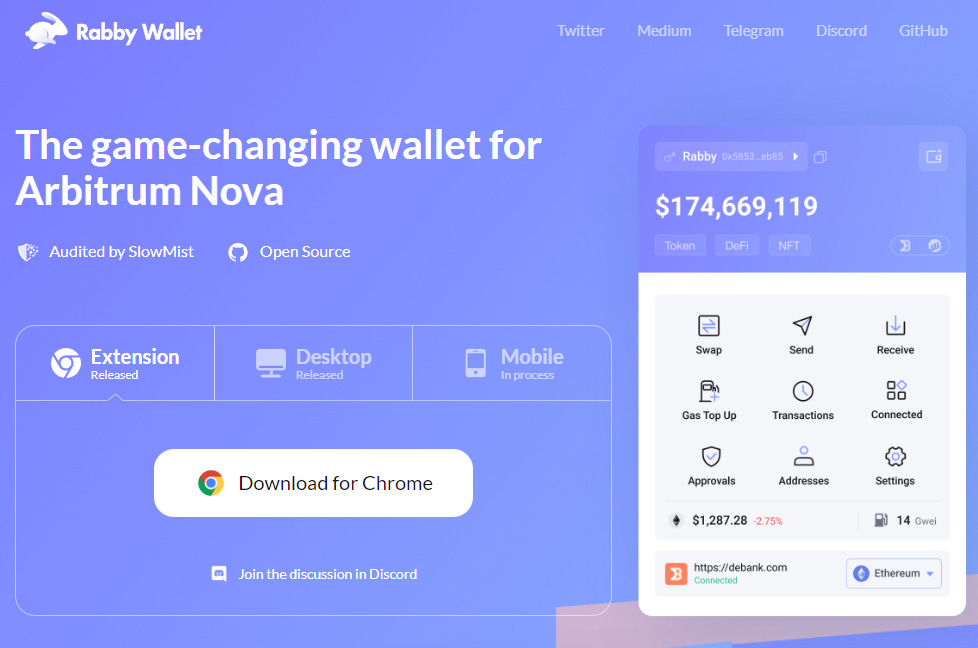
Rabby (the app I mentioned earlier) isn’t flawless, but it hits many of these marks in ways that felt natural to me. It’s not a sales pitch. I’m not 100% sure about their roadmap details or every chain they plan to add, but their focus on transaction clarity and multi-account handling is tangible in day-to-day use. Also, they have an open-source footprint so you can at least see parts of the logic if you’re inclined to audit.
Now, a practical note about hardware wallets. If you use Ledger or another device, your extension must not interfere with the signature flow. Some extensions inject scripts or create awkward nested pop-ups that confuse the device prompt. My instinct said “this is wrong” when I had to click a dozen times just to confirm a single signature. The smoother path is the one that respects the hardware wallet UX, and that matters when you’re moving nontrivial funds.
There’s also the multi-account thing—business vs personal vs test account. I want quick switching without re-importing keys. I also want one place that remembers which accounts connected to which dApps. (Oh, and by the way…) when a wallet gives me a searchable permissions list, I feel calmer. It’s like tidying a messy drawer; small comfort, big effect.
Security trade-offs exist, of course. Browser extensions are convenient but they inherit the browser attack surface. So treat the extension like a portal, not a vault. Use a hardware wallet for your main stash if possible. Keep small amounts in hot-wallet extension accounts for active trades. On one hand convenience wins; on the other hand cold storage is king.
Performance and provider support matter too. Some wallets integrate RPCs and caching so chain switching is snappy. Others force you to wait. My rule: prefer wallets that allow custom RPCs and let you test them before committing tokens. There’s less fumbling when you add the right endpoints for testnets or layer-2s.
Another subtle but crucial thing: how the wallet handles approvals for contract wallets and account abstraction. This is early tech for many users, and wallets that hide the mechanics will confuse newcomers. Good wallets surface intent—who’s asking, what they’re asking for, and why it matters. That clarity reduces phishing success rates and accidental approvals.
Common questions people ask me
How do I choose a multi-chain wallet?
Pick one that clearly shows transaction intent, offers approval management, and supports hardware wallets. Prioritize wallets that let you add custom RPCs and that maintain a simple permissions dashboard. I’m biased toward wallets that respect user control over convenience-first approaches.
Is a browser extension safe for daily DeFi?
Yes for small, active balances. No for long-term cold storage. Use hardware wallets for big holdings, and limit approvals. Also, keep your browser and extension updated—many attacks rely on old vulnerabilities.
What about new chains and tokens?
Make sure the wallet allows you to add and manage tokens and networks without forcing you to export keys. Check the community and repo activity (if open-source) before trusting unknown networks.
To wrap up—well, not wrap up exactly—my feeling has shifted from “one wallet to rule them all” to “a set of tools each used with intention.” I still jump between chains, but now I do it with tools that help me avoid brain-fade mistakes. That bet has saved me small losses and sleepless nights. I’m not saying this is perfect. But it’s better.
Try the flow, test approvals, connect a hardware wallet, and see how you feel. If something bugs you, change it. Trust your gut. And if you’re curious about an extension that leans into transaction clarity while supporting multiple chains, check the one I used and decide for yourself.