Why NFTs on Solana Feel Different — and How a Browser Phantom Wallet Smooths the Ride
Why NFTs on Solana Feel Different — and How a Browser Phantom Wallet Smooths the Ride
userdemo -Whoa! The first time I minted an NFT on Solana I was shocked. Transactions zipped through. Fees were tiny. It felt like trading baseball cards in a lightning-fast arcade. But hold up—it’s not all sunshine and candy. There are quirks, tradeoffs, and somethin’ about usability that still bugs me.
Solana’s appeal for NFT creators and collectors is obvious. Low fees let newcomers experiment without fear. Fast confirmations mean you don’t stare at a spinner wondering if you bricked the mint. And the ecosystem has matured: marketplaces, tools, and wallets that speak to each other more consistently than in the old days.
Still, speed and low cost come with complexity. Validator performance, occasional congestion, and subtle UX gaps can trip people up. For artists, a misconfigured metadata file or a lazy royalty enforcement approach by a marketplace can erode earnings. For collectors, an unfamiliar browser wallet or a phish-y site is a real hazard.
Browser Wallets vs. Extensions: Why the Web Version Matters
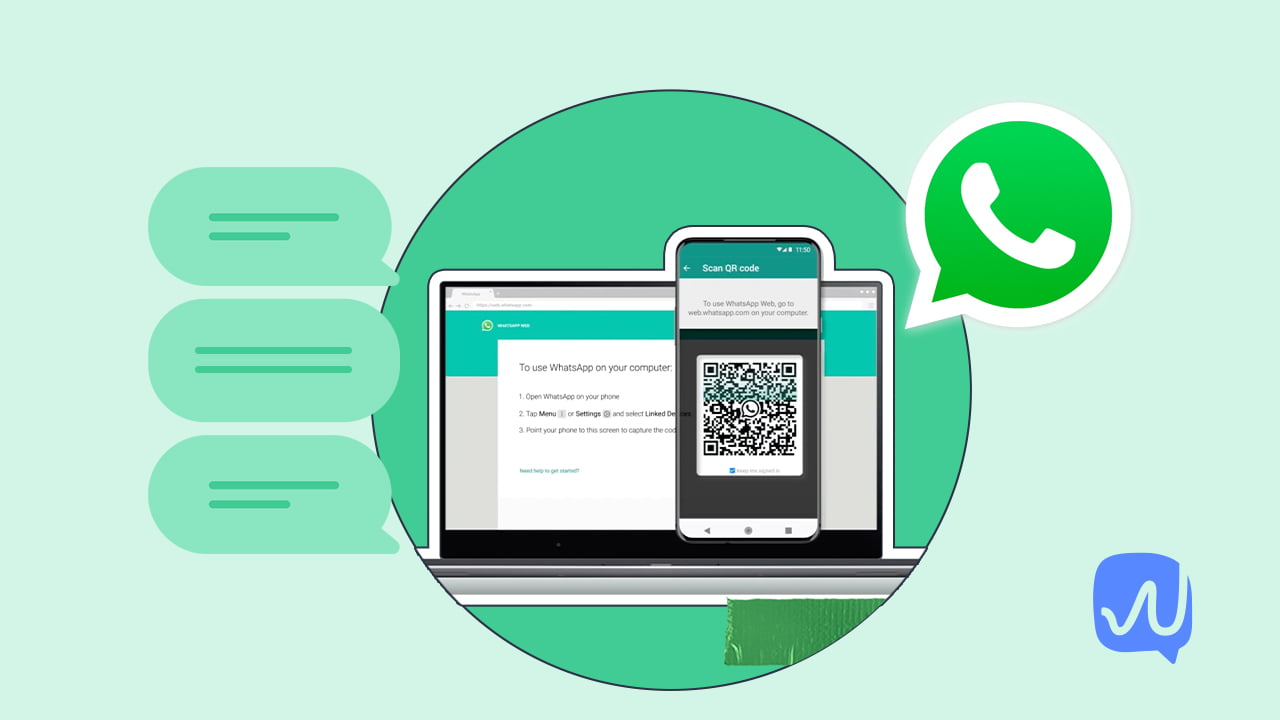
Short answer: convenience. Longer answer: accessibility plus security tradeoffs. Browser wallets that run as a web app (or a polished extension with a web fallback) lower the barrier to entry for people who don’t want to fiddle with command-line tools or hardware wallets. They let you link a seed phrase once, and then interact with marketplaces instantly.
One browser wallet that gets this right is the phantom wallet. It balances polished UI with the core features collectors expect: NFT viewing, send/receive, token swaps, and connection to popular marketplaces. The web interface helps when you’re on a Chromebook, on a work PC, or just hopping between devices.
But be cautious. Web versions are convenient, and convenience is a target. Always check the domain. Bookmark trusted sites. If a marketplace launches an unfamiliar minting flow, pause. Really. Phishing can mimic interfaces perfectly, and a tiny misclick will send your NFT or SOL somewhere you can’t recover it.
Practical Tips for Artists and Collectors
Artists: metadata matters. Make sure your JSON schema is clean and durable. Host images on IPFS or a reputable CDN. Marketplaces read metadata strictly, and a stray comma can break royalties. Consider multiple copies—one immutable record and one live preview—so you have a fallback.
Collectors: read before clicking. Verify the contract or creator address. Check recent activity for wash trading or spam. If a drop sounds too good to be true, it probably is. Seriously.
Also, think about wallet hygiene. Use a browser wallet for everyday browsing and a hardware wallet for high-value storage. Separate funds. Keep very very important keys offline when possible. And when interacting with smart contracts, scan permissions—some requests ask for more access than needed.
UX Gotchas on Solana
Solana’s speed can mask backend issues. Transactions might appear confirmed yet later show as failed due to forks or RPC timeouts. That ambiguity confuses people. Marketplaces try to explain, but the language is technical, and most users want plain english.
On the web wallet side, session timeouts can cause failed approvals. Extensions can conflict with other browser plugins. (Oh, and by the way…) mobile browsers sometimes reformat signing prompts, which leads to accidental approvals. Test your flow on multiple browsers before a big drop.
Security Practices That Actually Help
Use strong seed phrase storage. Paper backups are still valid. Hardware keys are king if you’re moving big amounts. For everyday use, a browser wallet is fine—if you treat it like a hot wallet. Never paste your seed phrase into a website. Never sign anything you don’t understand. If a dApp asks to transfer funds unexpectedly, decline and investigate.
Pro tip: set up a secondary wallet with small funds for minting experiments. Keep your primary wallet for holding. This extra step saves a lot of heartache.
What Artists Should Expect From Marketplaces
Expect variability. Some marketplaces enforce creator royalties. Others leave it to community norms. If royalties are a major revenue stream for you, vet the marketplace first. Read recent payout reports. Ask other creators. The web wallet experience can make or break a drop, since friction at checkout reduces conversion.
Also, promote smartly. Link your marketplace listings in trusted channels. Use verified social accounts. If you’re new, partner with a curator or join a group that can vouch for you.
Collector Psychology — Why People Buy
People buy for status, art appreciation, and speculation. On Solana, low entry cost encourages hobbyists. That changes market dynamics. Rare, high-quality pieces still command attention, but community-driven projects often hold value better than purely speculative mints.
Emotion drives buys. I know—I’m guilty. Some drops feel like live concerts: hype, FOMO, adrenaline. Take a breath. Ask who is building the project. Who’s behind the contract. Community matters more than a glossy landing page.
FAQ
How do I connect my browser wallet safely?
Use known domains and bookmarks. Never approve requests on unfamiliar sites. Keep browser and wallet extensions updated. If a site asks for full account control, decline and ask why. Use a small test transaction first.
Can I move NFTs between Solana wallets easily?
Yes. Transfers are fast and cheap on Solana. But double-check addresses. If you send to the wrong account, recovery is unlikely. Keep a naming convention in your contacts to avoid mistakes.
Is the web version of Phantom secure enough?
For most people, yes—if you follow basic safety practices. The web interface improves accessibility and reduces friction. But treat it like a hot wallet: don’t store life-changing sums there. Use hardware wallets for long-term custody.