Rabby: The Multi-Chain Wallet I Actually Use (and Why Transaction Simulation Changes the Game)
Rabby: The Multi-Chain Wallet I Actually Use (and Why Transaction Simulation Changes the Game)
userdemo -Whoa, this wallet surprised me. I ran into it while juggling chains and a messy gas bill. It promised transaction simulation and multi-chain support, which sounded like a sales pitch. Initially I thought it was another interface gloss over real custody concerns, but then I used the Chrome extension under real conditions, and my whole workflow changed. My instinct said: try it, and so I dug deeper.
Seriously, multi-chain can be chaotic. Most wallets slap on network lists and call it a day, and that quickly becomes a mess. What angers me is the tiny details: wrong chain selection, failed transactions, lost approvals. On one hand, having all your networks in one place seems efficient, though actually that efficiency evaporates if the wallet doesn’t simulate gas, check for front-running risks, or preview contract calls in a way that humans can understand. So I started testing gas estimations and simulation flows.
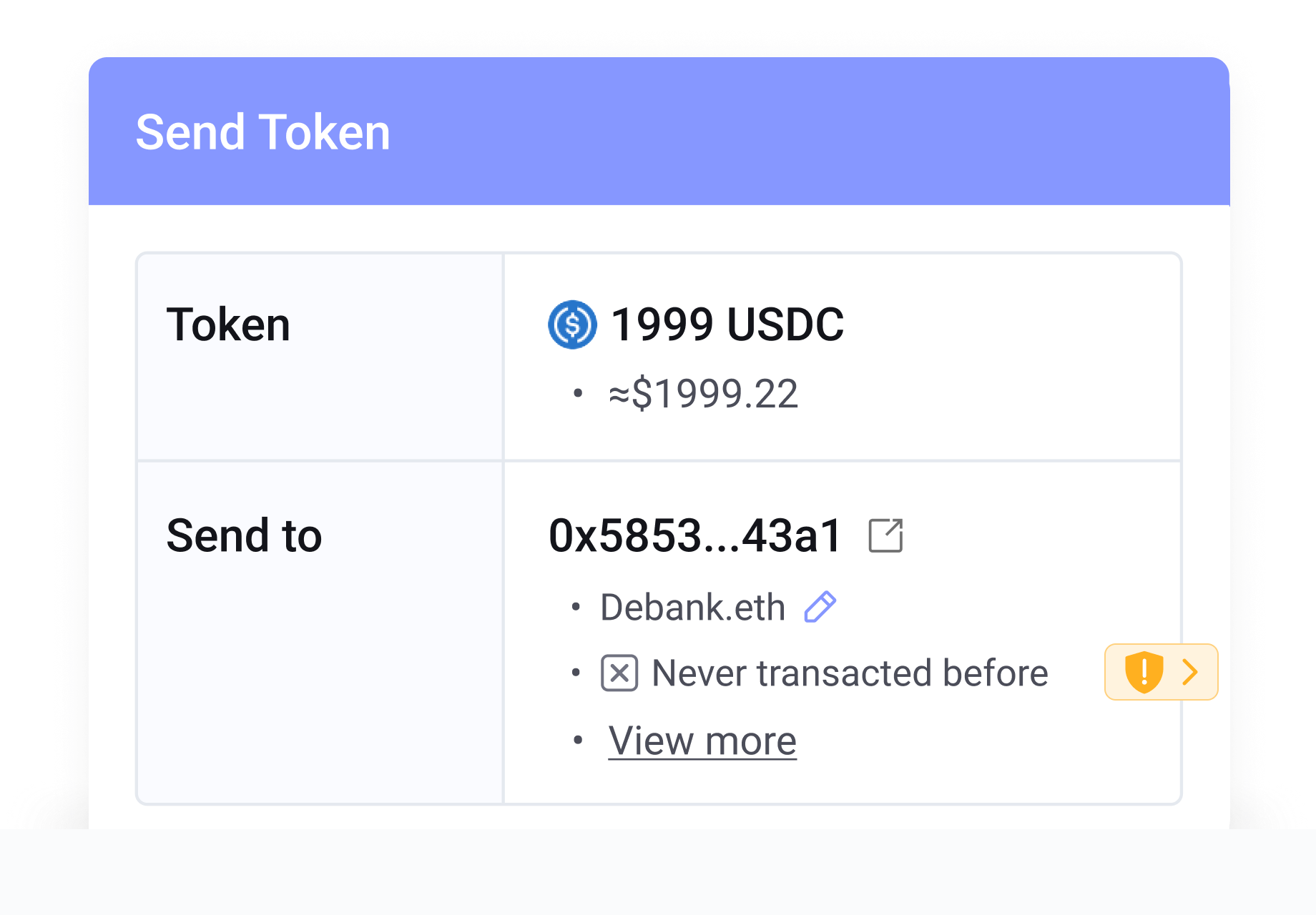
Wow, the simulation feature stood out. It replays probable outcomes before you sign, showing token changes and failed conditions. That saved me from dumb mistakes during a high-slippage DEX swap. Initially I thought simulations were overkill, but after watching a staged swap front-run on one chain and a reorg affect a bridging state on another, I realized simulations are a defensive tool, not just a nice-to-have. My gut said this was a game-changer for power users.
Hmm… the extension model worries some folks. Chrome extensions can be an attack surface, and people rightly fret about private keys. Rabby claims to keep keys client-side and uses isolation patterns in its architecture. On the other hand, browser-based wallets are inherently different from hardware devices, and while Rabby reduces blast radius with chain-specific protections and approvals, cautious users should still combine it with hardware or multisig for large holdings. I’m biased, but for day-to-day DeFi it’s a compelling compromise.
The UI is crisp. Transaction history, approval management, and nonce controls are surfaced clearly. That matters when you’re juggling arbitrage or multi-step bridge flows. There’s a learning curve—especially for folks switching from mobile-first wallets—because Rabby exposes advanced settings and simulation outputs, which feel cluttered at first, though they reward you with situational awareness once you adapt. Oh, and by the way… the network switching is less annoying than most.
Bridges are the weak link. Cross-chain state is messy and risky, and simulation can’t fix bridge exploit vectors. Still, seeing a preflight that highlights wrapped token behavior helps. My process evolved into a checklist—simulate, verify approvals, check contract code or audits if possible, and always send small test transactions when you’re uncertain—this routine reduced my failed swaps and accidental approvals dramatically. Seriously, small tests save ugly recoveries.
Ready to try it? Get the Chrome extension, set up or import a wallet, and enable simulation in settings. If you want to download safely, use the official page and double-check the extension ID. I always export a read-only view or use a dedicated browser profile for DeFi sessions. Keep your seed offline for big balances.
How I use rabby as part of my DeFi stack
For me the flow is simple: sandbox trades on a testnet, simulate the exact transaction set, then execute a tiny canary tx on mainnet before the real move—because trust but verify is still my motto. I visit rabby to grab the extension and double-check that I’m on the right release, then I layer hardware confirmations for anything over a threshold. The extension makes it easy to see diffs and approval scopes, which is the kind of transparency that saves you from the classic “what did I just approve?” moment.
Pro tips: small checklist below. Use nonce control for batched txs and lock approvals when interacting with unknown contracts. Pin the extension, review simulation diffs, and snapshot the UI before signing complex operations. If you run many accounts, create profiles and segregate funds so that a compromised account only affects a fraction of your capital, and remember that multisig or smart-wallet wrappers still outperform single-seed setups for sizable treasuries. I’m not 100% sure about every edge-case, but this setup handles most everyday DeFi needs.
Is it perfect? No wallet is, and no extension beats cold storage for absolute safety. Still, Rabby blends usability and smart protections in ways that fit power users. On one hand I crave more formal third-party audits and hardware-flow integrations that are smoother, though actually the community builds around these gaps quickly and developer responsiveness often fills the void—so keep an eye on release notes. This part bugs me, but it’s also an opportunity.
I’m excited. Using Rabby changed my day-to-day DeFi workflow and reduced dumb mistakes. Initially skeptical, I now treat simulation as a required pre-step, though I’m careful not to assume it solves everything, so I still combine it with hardware keys and small test transfers when stakes are high. If you’re a power user who trades across chains, it’s worth a download and some testing in a sandbox. Try it out, see what feels right, and keep your guard up—because DeFi is still wild…
FAQ
Do I need a hardware wallet to use Rabby?
No, you don’t need one to use the extension for routine trades, but combining Rabby with a hardware wallet for signing large transactions adds a meaningful security layer—and it’s something I do for any serious position.
Can simulation prevent all scams and losses?
Short answer: no. Simulation helps you spot many logical failures and visible state changes, but it won’t protect against all exploit types—especially zero-day bridge bugs or off-chain oracle manipulations—so use it as part of a broader defense strategy.